There’s nothing quite like the feeling of your dog curling up at your feet at night. Or a cat kneading the duvet before settling into a warm, purring ball. It’s comfort, pure and simple. But for allergy sufferers, that comfort often comes with a price: sneezing fits at 3 a.m., itchy eyes, and a stuffy nose that just won’t quit. The good news? You don’t have to choose between your pet and a good night’s sleep. Honestly, you really don’t. With the right bed and bedding strategy, you can have both — cuddles and clear sinuses.
Let’s dive into what actually works, what’s just marketing fluff, and how to build a sleep sanctuary that welcomes your furry friend without welcoming their dander.
Why Pet Allergies Hit Hardest in the Bedroom
Here’s the deal: pet allergens aren’t just fur. They’re proteins found in saliva, urine, and dead skin cells — dander, basically. These particles are tiny. Like, microscopic tiny. And they’re sticky. They cling to fabric, float in the air, and settle deep into mattresses and pillows. Your bed is a sponge for them.
Now add the fact that you spend roughly a third of your life in bed. That’s eight hours of breathing in whatever’s trapped in your bedding. For allergy sufferers, that’s a recipe for congestion, headaches, and poor sleep. In fact, studies show that indoor allergens can significantly disrupt sleep quality — and pet dander is one of the main culprits.
So, what’s the fix? It’s not about banning your pet from the bed forever (though that’s one option). It’s about creating layers of defense.
The Mattress Matters More Than You Think
Your mattress is the foundation. If it’s a traditional innerspring or memory foam model with a woven cover, it’s basically a dander hotel. Allergens sink in and stay there. Vacuuming helps a little, but it doesn’t reach the deep layers.
What you want is a mattress that’s either fully washable or designed to resist allergen buildup. Here are a few options that actually deliver:
- Latex mattresses: Naturally dust mite and dander resistant. They’re dense, so allergens don’t penetrate easily. Plus, they’re breathable — a win for hot sleepers.
- Polyethylene mattresses: These are the ones made from food-grade polymer. They’re waterproof, hypoallergenic, and you can literally hose them down. Yes, really.
- Mattresses with removable, washable covers: Look for covers that zip off and can go in the washing machine on hot. That’s your first line of defense.
If you’re not ready to replace your mattress, don’t panic. A high-quality, zippered allergen-proof encasement can seal your existing mattress. Just make sure it’s certified asthma and allergy friendly — not all are.
Bedding That Breathes and Blocks
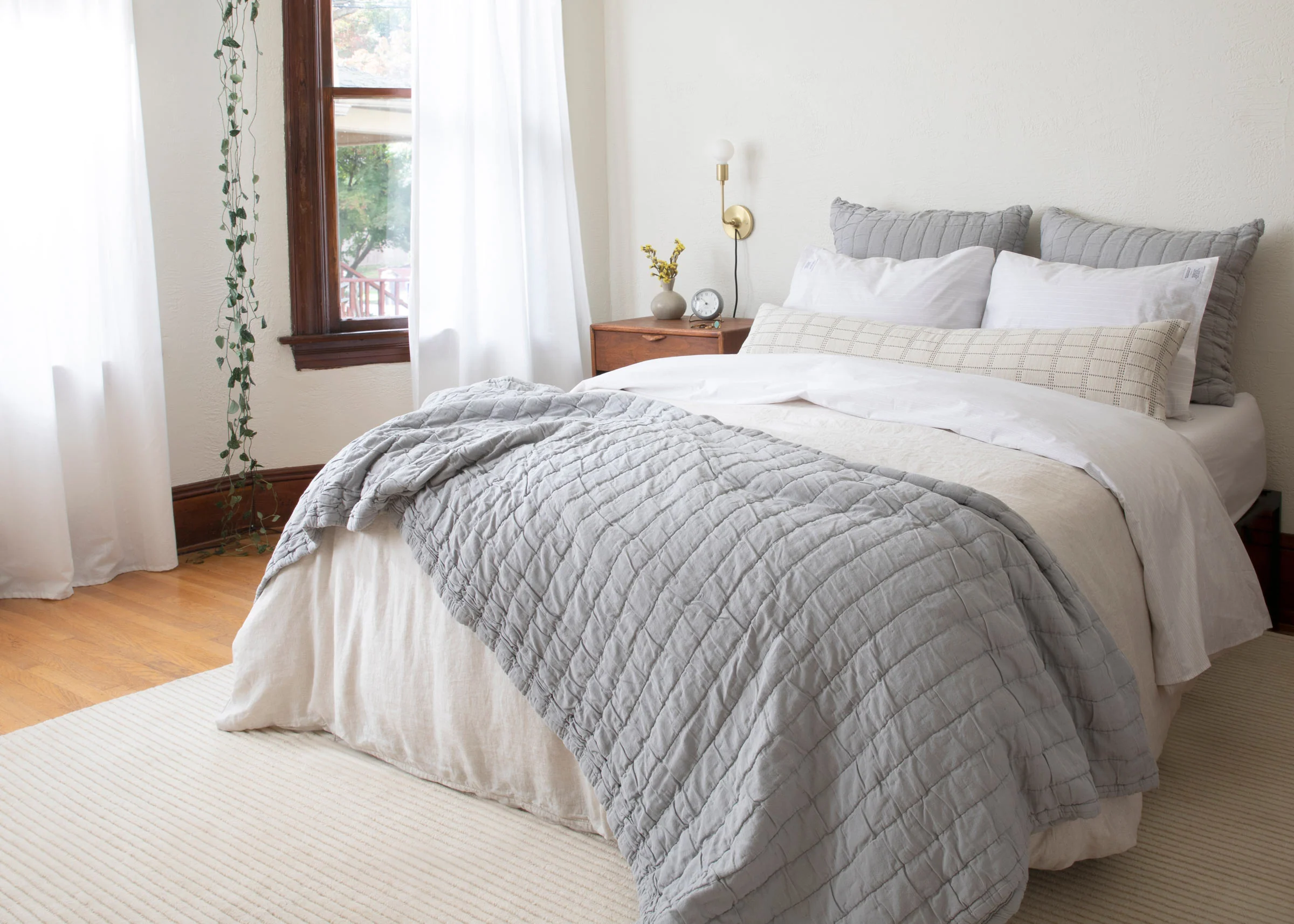
Sheets, pillowcases, and comforters are where you and your pet have the most contact. They need to be soft enough to sleep on but tough enough to keep allergens out. The sweet spot? Tightly woven fabrics with a high thread count. Think of them like a sieve — the holes are too small for dander to pass through.
Here’s what to look for:
- Microfiber sheets: Affordable, tightly woven, and surprisingly soft. They repel dander and dust mites.
- Bamboo or eucalyptus lyocell: Naturally hypoallergenic and moisture-wicking. Great for sensitive skin.
- Organic cotton with a tight weave: Breathable and chemical-free. Avoid loose weaves like percale if allergies are severe.
- Washable comforters: Skip the heavy duvets that need dry cleaning. You want something you can toss in the wash weekly.
And pillows? Same rules apply. Use allergen-proof pillow covers under your regular pillowcases. Wash pillowcases every few days — yes, every few days. It sounds like a lot, but it’s easier than waking up with a sinus headache.
Pet Beds: Don’t Forget Their Side of the Story
If your pet sleeps on the bed, their own bed (or blanket) is ground zero for allergens. A washable pet bed is non-negotiable. Look for ones with removable covers and synthetic fills — natural fills like cedar or wool can harbor allergens. Wash their bed weekly, ideally on hot. And if they have a favorite blanket, wash that too. It’s not just about smell; it’s about reducing the allergen load in the room.
Some pet beds now come with antimicrobial and hypoallergenic fabrics. Are they magic? No. But they do slow down the buildup between washes.
Air, Vacuums, and the Habits That Help
Bedding alone won’t solve everything. You need to manage the air and surfaces around the bed, too. A few practical moves:
- HEPA air purifier: Run it 24/7 in the bedroom. It traps dander, pollen, and dust that float around.
- Vacuum with a HEPA filter: Vacuum the mattress surface, under the bed, and curtains weekly. A robot vacuum with a HEPA filter can help maintain between deep cleans.
- Keep pets off the bed during the day: This reduces the allergen load when you’re not there to enjoy the cuddles. It’s a compromise, not a punishment.
- Wipe down surfaces: Dander settles on nightstands and headboards. A damp cloth picks it up better than a dry one.
And hey, if you can’t bear to kick your pet out of bed entirely, try designating a specific “pet zone” on the bed — like a washable throw at the foot. It won’t eliminate allergens, but it concentrates them.
A Quick Comparison: Bedding Materials for Allergy Sufferers
| Material | Allergen Resistance | Washability | Comfort |
|---|---|---|---|
| Microfiber | High | Excellent | Soft, slightly warm |
| Bamboo lyocell | High | Good | Cool, silky |
| Organic cotton (tight weave) | Medium-High | Good | Breathable, classic |
| Linen | Low-Medium | Good | Textured, airy |
| Wool | Low | Difficult | Warm, heavy |
Notice linen and wool? They’re lovely, but not your best bet if dander is a trigger. Linen’s loose weave lets allergens through, and wool can trap them. Save those for guest rooms — or for when your allergies magically disappear. (Fingers crossed.)
What About “Hypoallergenic” Labels?
Here’s a gentle reality check: “hypoallergenic” isn’t a regulated term. Anyone can slap it on a label. Instead, look for third-party certifications like the Asthma and Allergy Foundation of America (AAFA) Certification or OEKO-TEX Standard 100. Those actually mean something. They test for harmful substances and allergen barriers.
Also, be wary of bedding treated with antimicrobial chemicals. They might reduce allergens, but they can also irritate sensitive skin and airways. Sometimes the cure is worse than the problem.
Building a Routine That Sticks
Consistency is everything. You can buy all the right products, but if you don’t wash and vacuum regularly, allergens will win. Here’s a simple weekly rhythm:
- Wash sheets and pillowcases in hot water (130°F or higher).
- Wash pet bed covers and any blankets on the bed.
- Vacuum mattress surface and bedroom floor with a HEPA vacuum.
- Wipe down headboard and nightstands with a damp cloth.
- Check air purifier filters — replace or clean as needed.
It sounds like a lot, but once it’s a habit, it takes maybe 20 minutes. And the payoff — sleeping through the night without sneezing — is worth every second.
The Emotional Side (Because It Matters)
Let’s be honest: telling a pet parent to keep their dog off the bed can feel like a gut punch. Pets are family. They comfort us. They make us laugh. And for many of us, sleeping next to them is part of the bond. So the goal isn’t separation — it’s smart coexistence. You’re not saying “no.” You’re saying “let’s make this work for both of us.”
That might mean a washable quilt instead of a fancy duvet. A mattress encasement that crinkles a little at first. An air purifier humming softly in the corner. Small trade-offs for big relief.
And if your allergies are severe, talk to an allergist. Sometimes immunotherapy or medication can make a world of difference. It’s not admitting defeat — it’s adding another tool to your toolbox.
Final Thoughts: Sleep Well, Snuggle Well
You don’t have to choose between a pet-friendly bed and an allergy-friendly one. With the right mattress, bedding, and cleaning routine, you can create a sleep space that works for everyone — two-legged and four-legged alike. It takes a little planning, sure. But the result is a bedroom that feels like a sanctuary, not a sneeze factory.
So go ahead. Let the cat claim that sunny spot on the duvet. Let the dog stretch out at your feet. Just make sure your bedding can handle it — and that your sinuses get a vote, too.