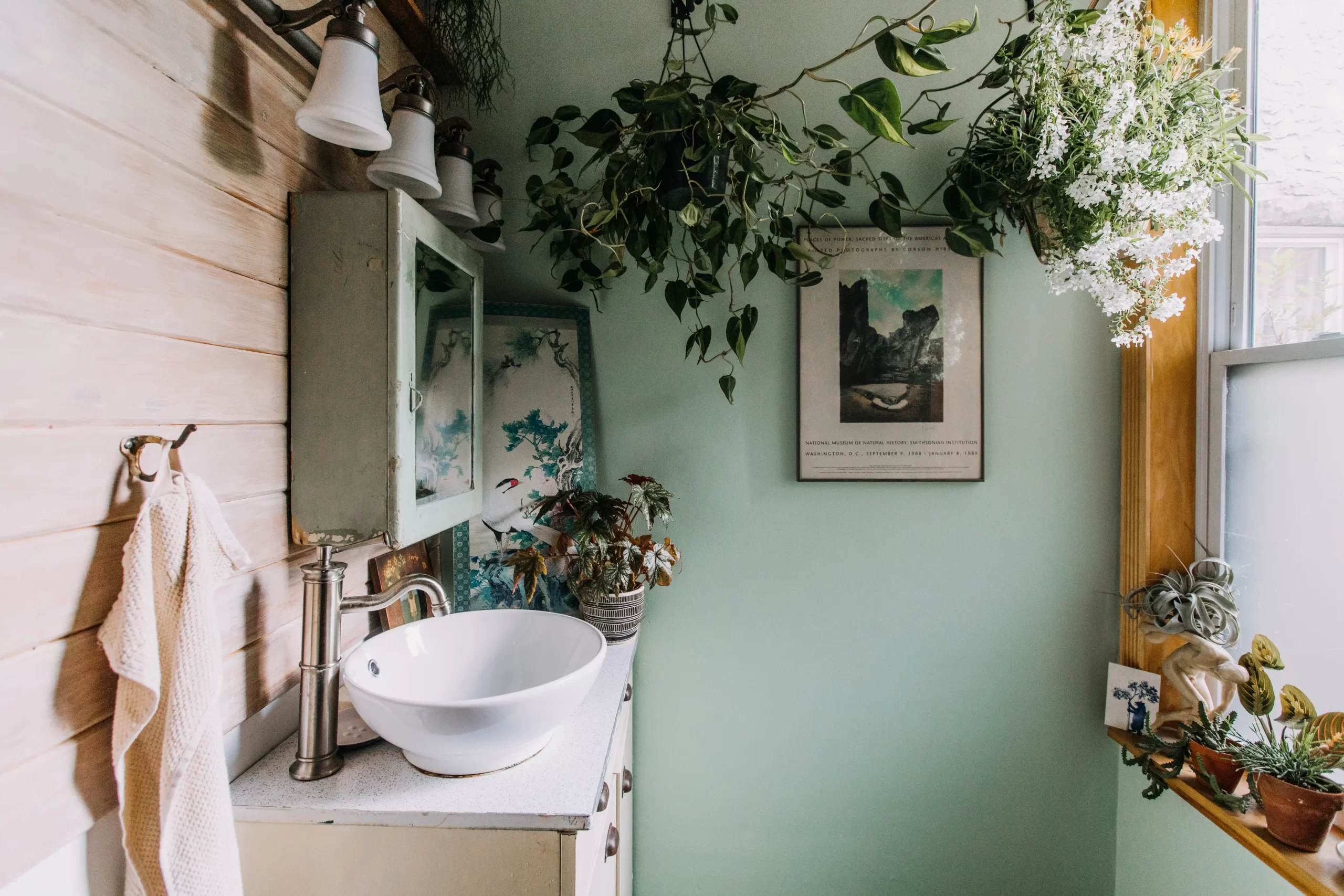
Let’s be honest. For city dwellers, the dream of a sprawling vegetable garden often feels, well, like a dream. You’ve got a balcony the size of a postage stamp, a windowsill that gets two hours of sun, or maybe just a dark corner that seems to swallow light. The traditional rules of gardening just don’t apply here.
But here’s the deal: that’s where microclimate gardening comes in. It’s not about fighting your space; it’s about becoming a detective in your own home. You learn to read the light, the humidity, the tiny air currents. You turn that “problem” corner into a haven for mushrooms or herbs. You turn your hot, dry radiator ledge into a desert for succulents. Honestly, it’s a game-changer.
What Exactly Is a Microclimate? Think Small.
In broad terms, a microclimate is the set of environmental conditions in a specific, small area that differ from the surrounding area. Your sun-baked south-facing balcony is a microclimate. The cool, damp spot behind your toilet tank? That’s one too. The goal of indoor food production is to identify and then harness these pockets to grow things you can actually eat.
It’s a bit like matchmaking. You’re pairing a plant’s perfect needs with the quirky little environment you can actually provide. Forget the hardiness zone map for a minute. Your apartment has a dozen zones of its own.
The Urban Grower’s Toolkit: Reading Your Space
Before you buy a single seed, you need to play detective. Spend a few days just observing. Seriously, it sounds simple, but it’s the most crucial step.
- Light Mapping: Where does the light actually fall, and for how long? Use your phone’s compass. A north-facing window offers soft, indirect light—perfect for leafy greens. A west-facing one gets that intense afternoon blaze, maybe ideal for peppers or tomatoes if it lasts 6+ hours.
- Temperature & Drafts: Feel for cold drafts near windows in winter. Notice the heat rising from appliances. That spot above the fridge? It’s often several degrees warmer—a great place for starting seeds.
- Humidity Hotspots: Bathrooms and kitchens are naturally more humid. These are prime real estate for herbs like mint or basil that wilt in dry air, or for experimenting with hydroponic systems that add moisture to the air.
Smart Setups for Tight Spaces and Low Light
Okay, so you’ve mapped your microclimates. Now what? You work with what you’ve got. The beauty of modern urban food gardening is the sheer creativity of the solutions.
For those darker corners, you’re not out of luck. You’re just growing different things. Mushroom kits thrive in cool, dark places. Sprouts and microgreens need barely any light at all—just a countertop and a rinse twice a day. They’re arguably the fastest, most nutrient-dense homegrown food you can produce.
And when natural light is truly scarce, that’s where grow lights come in. The tech has gotten so much better and more affordable. A simple, slim LED panel can turn a bookshelf into a vertical farm for lettuces and herbs. It’s a controlled microclimate in a box.
| Your Space’s Condition | Potential Crops to Try | Quick Tip |
| Bright, Sunny Window (6+ hrs) | Cherry tomatoes, dwarf peppers, bush beans, herbs (rosemary, thyme) | Rotate pots a quarter-turn daily to prevent leaning. |
| Medium, Indirect Light | Leafy greens (lettuce, kale, spinach), herbs (parsley, cilantro, mint), scallions | Use reflective foil behind plants to bounce light. |
| Low Light / Artificial Light Only | Microgreens, sprouts, mushrooms (oyster, shiitake kits) | Consistency is key with grow lights—use a timer. |
| High Humidity (Bathroom/Kitchen) | Basil, mint, celery (from a stump!), ginger | Ensure pots have drainage to avoid root rot. |
Beyond Dirt: Hydroponics and Other Hacks
Soil is messy. It can attract bugs. Sometimes, you just don’t want the hassle. That’s a big reason apartment hydroponics systems have exploded in popularity. They use nutrient-rich water, and many are self-contained, quiet, and surprisingly elegant.
You can also go ultra-low-tech. Re-growing kitchen scraps is a classic for a reason. A lettuce base in a shallow dish of water, green onion roots in a glass—they’re resilient and give you a quick, satisfying harvest. It’s a gateway into seeing your kitchen not as a endpoint for food, but as a starting point.
The Real Payoff (It’s Not Just Lettuce)
Sure, the tangible yield is a handful of herbs, a salad a week, some snacking tomatoes. That’s valuable, especially with grocery prices being what they are. But the bigger harvest is often intangible.
There’s a profound connection that comes from nurturing something you then consume. In a dense urban environment, that connection to a natural process can feel… grounding. It turns your home into a living system, not just a storage unit. You start to notice more. The angle of the light in October. The way water travels through soil. It’s a quiet, daily practice.
And look, it won’t always be perfect. You’ll overwater a basil plant. Your first attempt at carrots might be, uh, abstract sculptures. That’s part of it. Microclimate gardening is iterative. You learn, you adjust, you try a different spot.
So maybe start small. Find the sunniest spot you have and plant one thing you love to eat. Observe it. Listen to it, you know? That’s how you begin to turn your urban home—with all its quirks and limits—into a place of genuine production. A place where your food doesn’t just appear, but grows.